This past week the Ohio co-op participants went on two trips. We visited areas near the DMZ in northwest Korea and points of interest near Sokcho on the eastern shore.
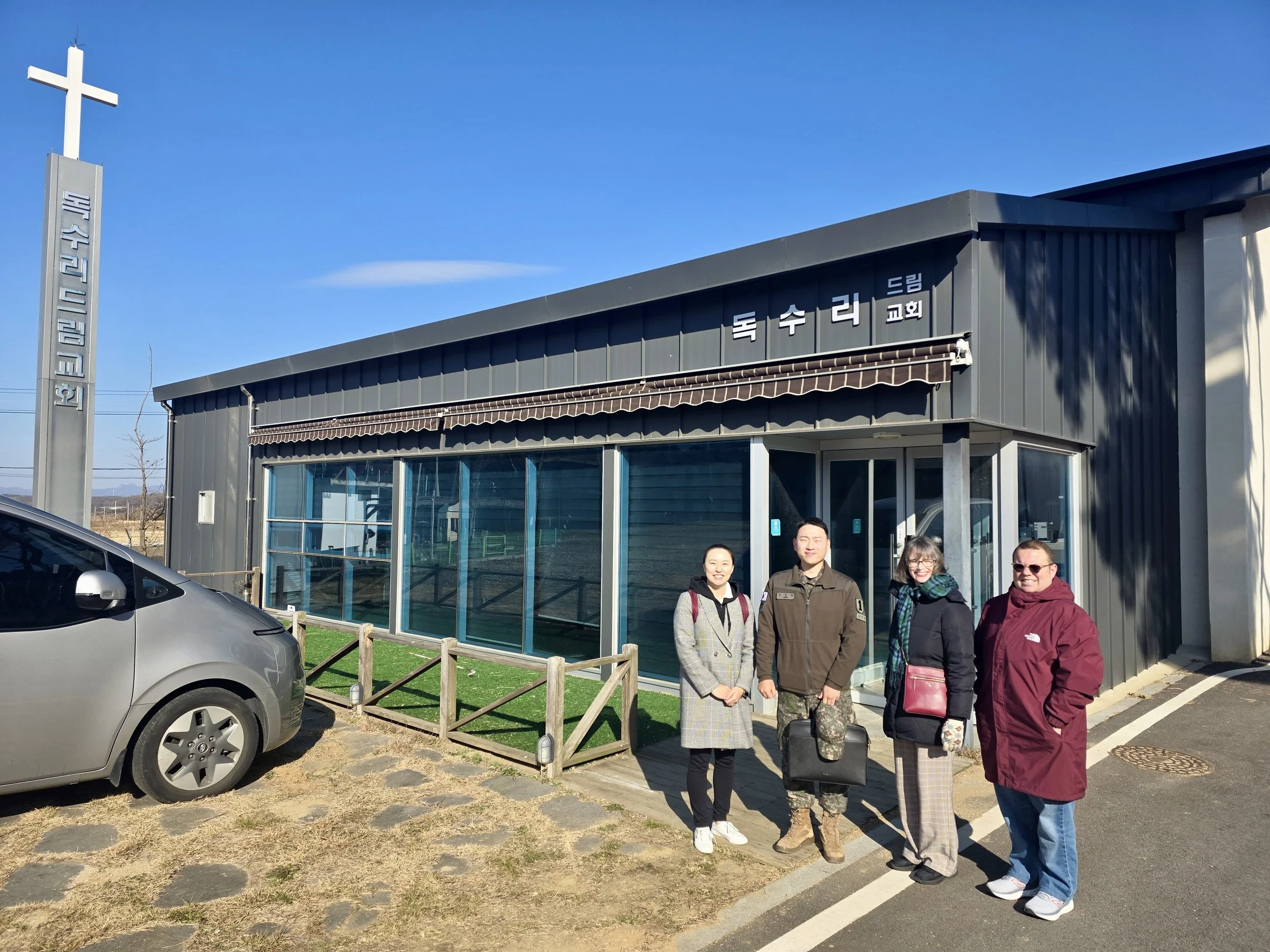
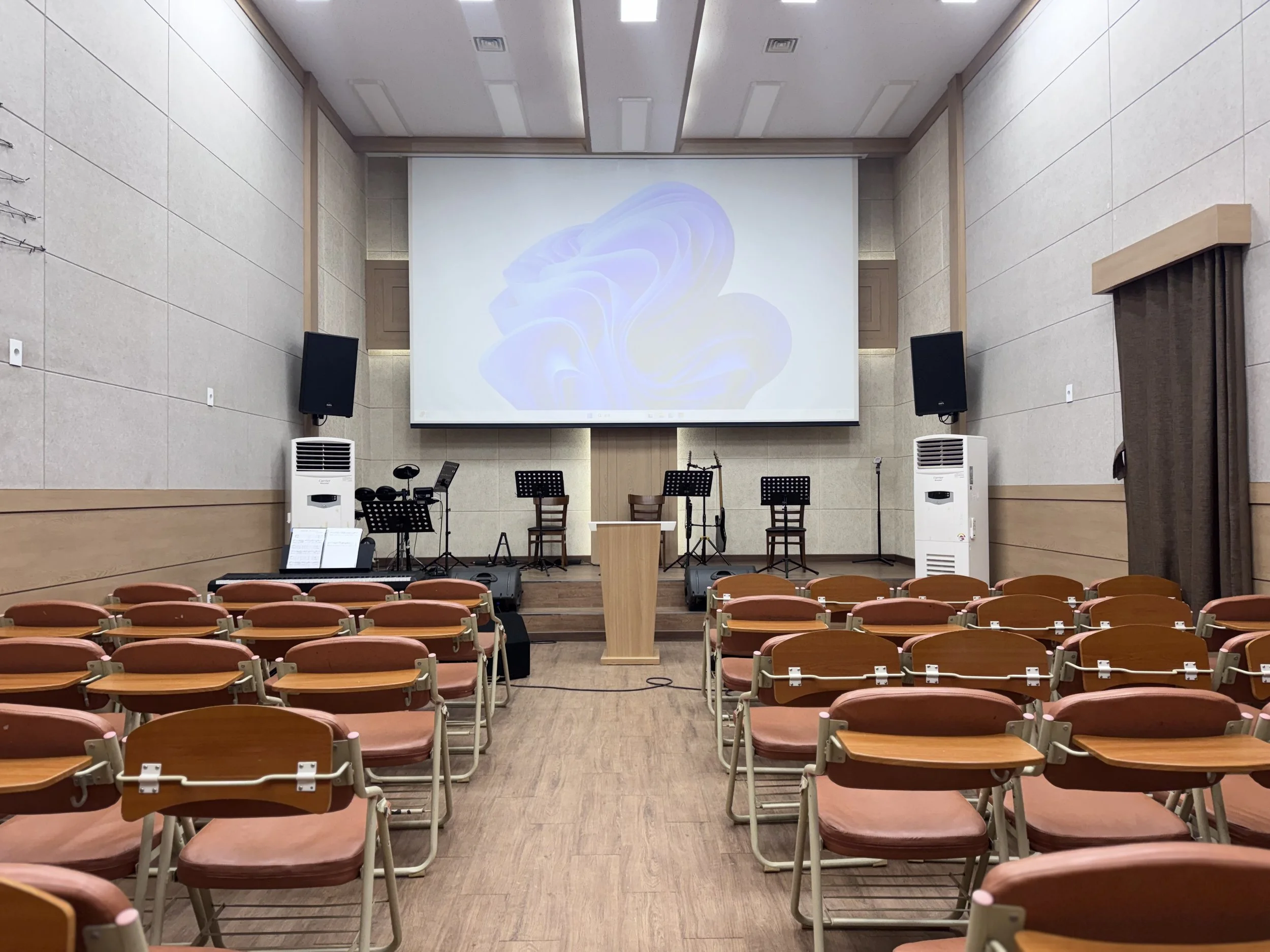
On Tuesday, November 18, Pastor Seong-Hoon Park drove us to Paju where we met Pastor Seonghyeon Jeong, a military Chaplin to the 15th Brigade, 1st Division of the Korean army. He welcomed us to one of the military three churches he serves and shared a little about his ministry. During his introduction he invited us to pray for the leaders and soldiers of the Republic of Korea. I’ve sensed the presence of God and the holiness of every church we’ve visited, but this particular church visit was especially precious.
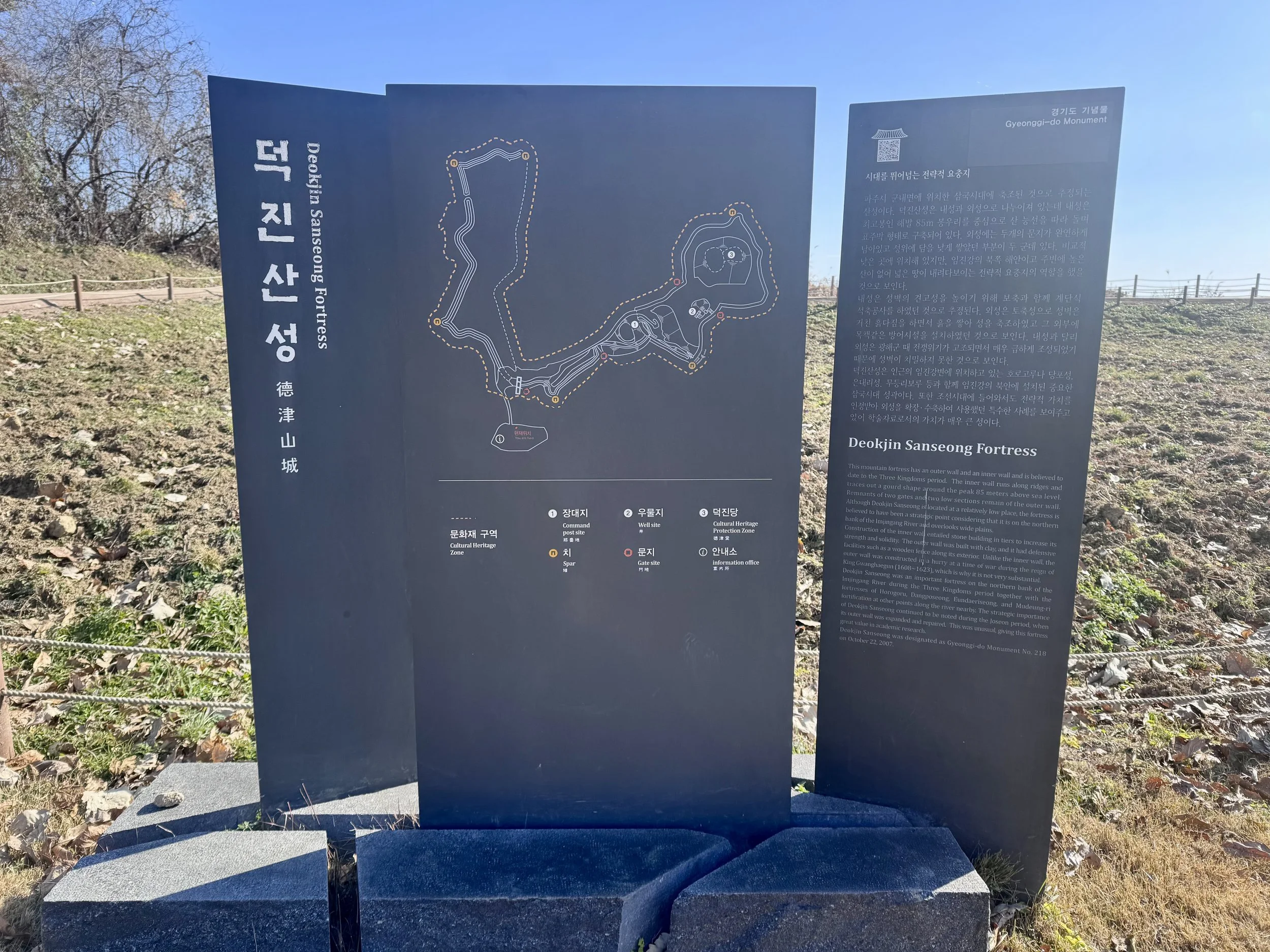
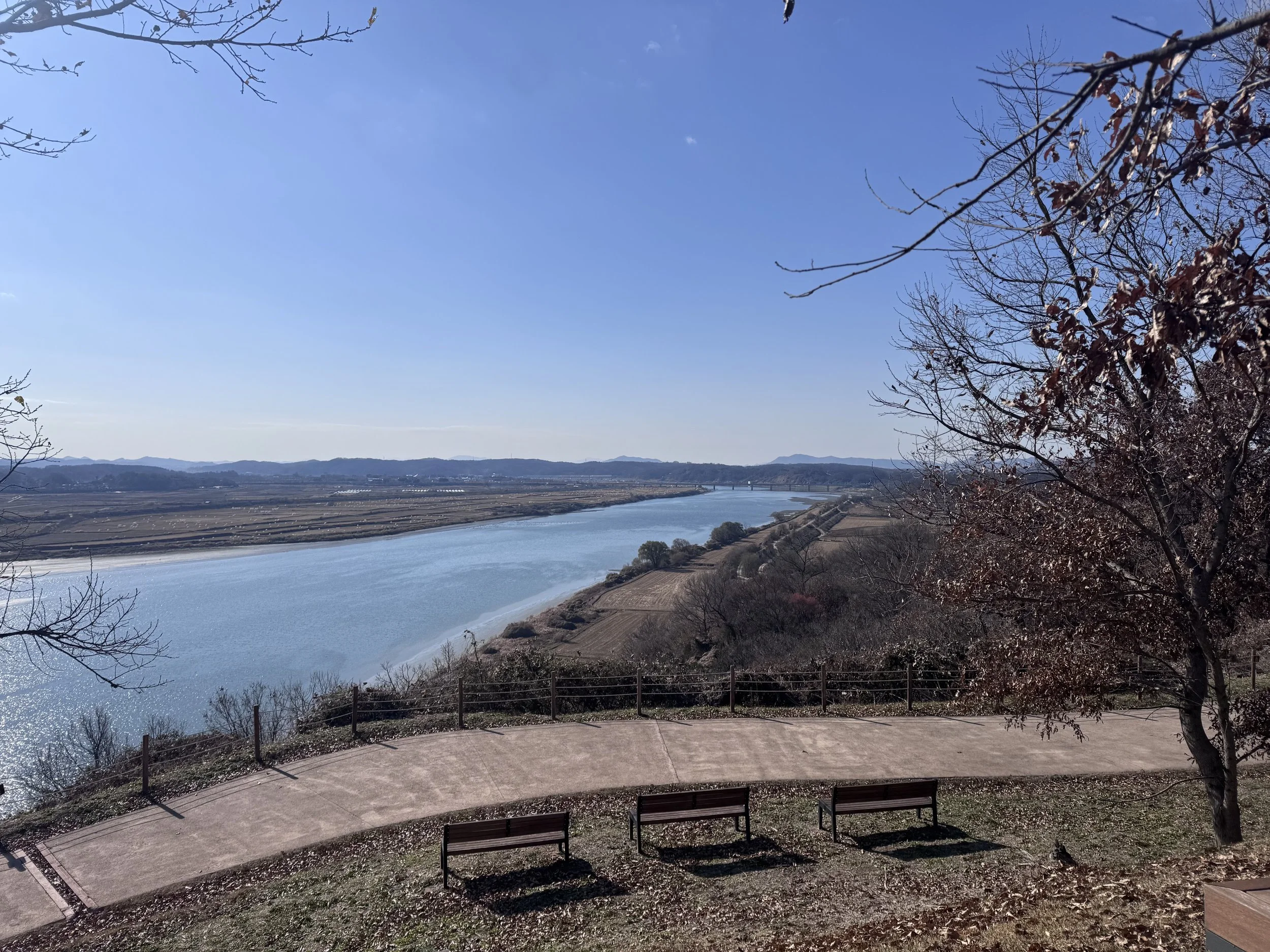
Pastor Jeong accompanied us to three landmarks: the Deokjin Sanseong Fortress, the 3rd Tunnel, and the Dora Observatory. Before going to Deokjin Sanseong Fortress we shared lunch at a small restaurant near the military base. The pork belly was one of the best dishes I’ve had. From there, we took a ride through the countryside to the fortress monument. I didn’t know what to expect. When we arrived, we walked up a fairly steep hill that overlooks a river. The hilly trail includes a portion of the fortress wall from the early 1600s.

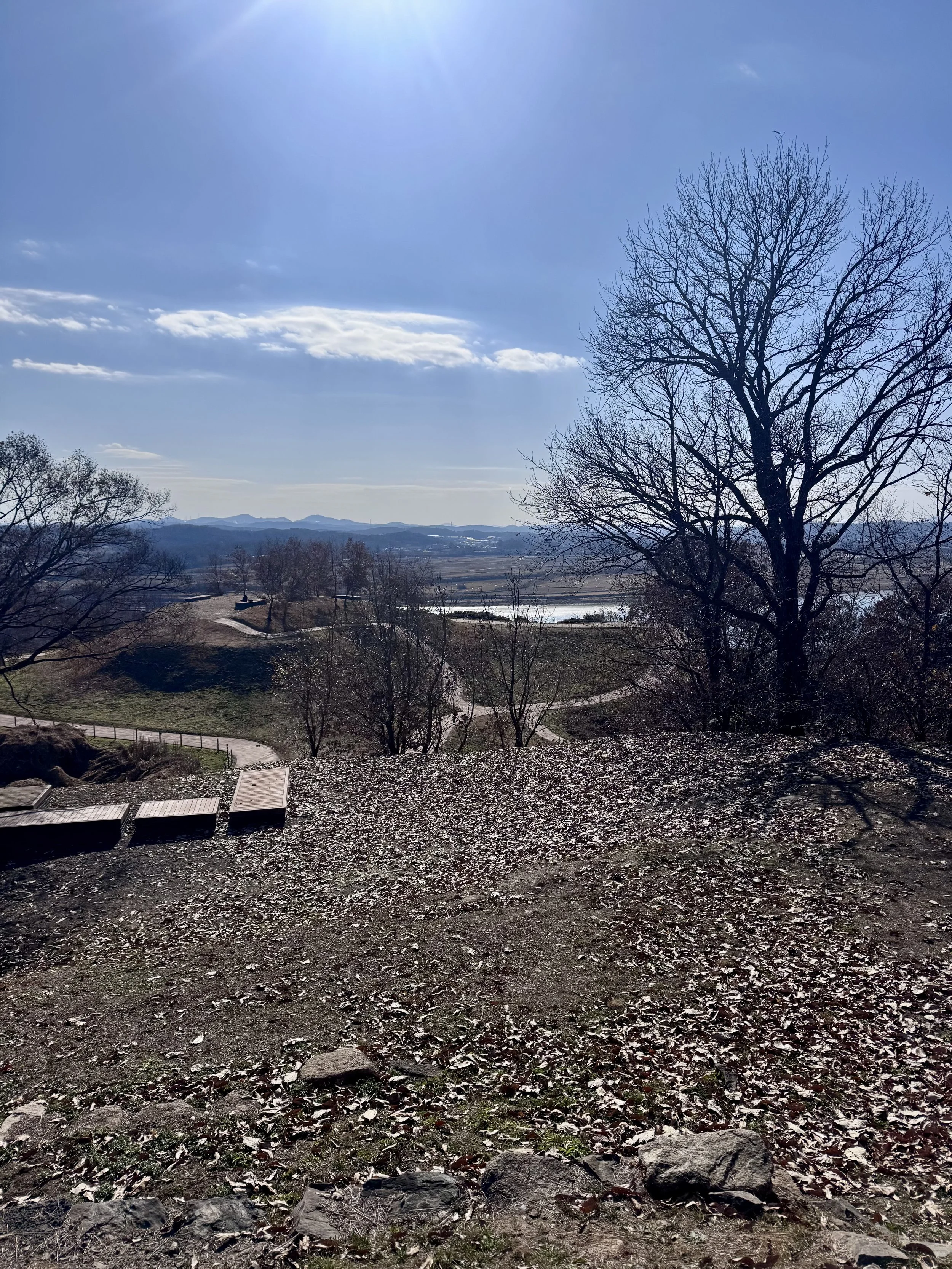
Next we went to the border. This area is highly secured. Visitors can’t enter individually; you must be part of a tour group with reservations made in advance. Most tour groups are very large - arriving by bus - with guides that educate them as they visit each site. We were fortunate to have the Chaplin with us and a solider met us at the two locations we visited to serve as our guides. The area is referred to as the DMZ, although you don’t enter the demilitarized zone itself. The DMZ is a four kilometer buffer between the People’s Democratic Republic of Korea (North Korea) and the Republic of Korea (South Korea) overseen by the United Nations. It exists to prevent military invasion.
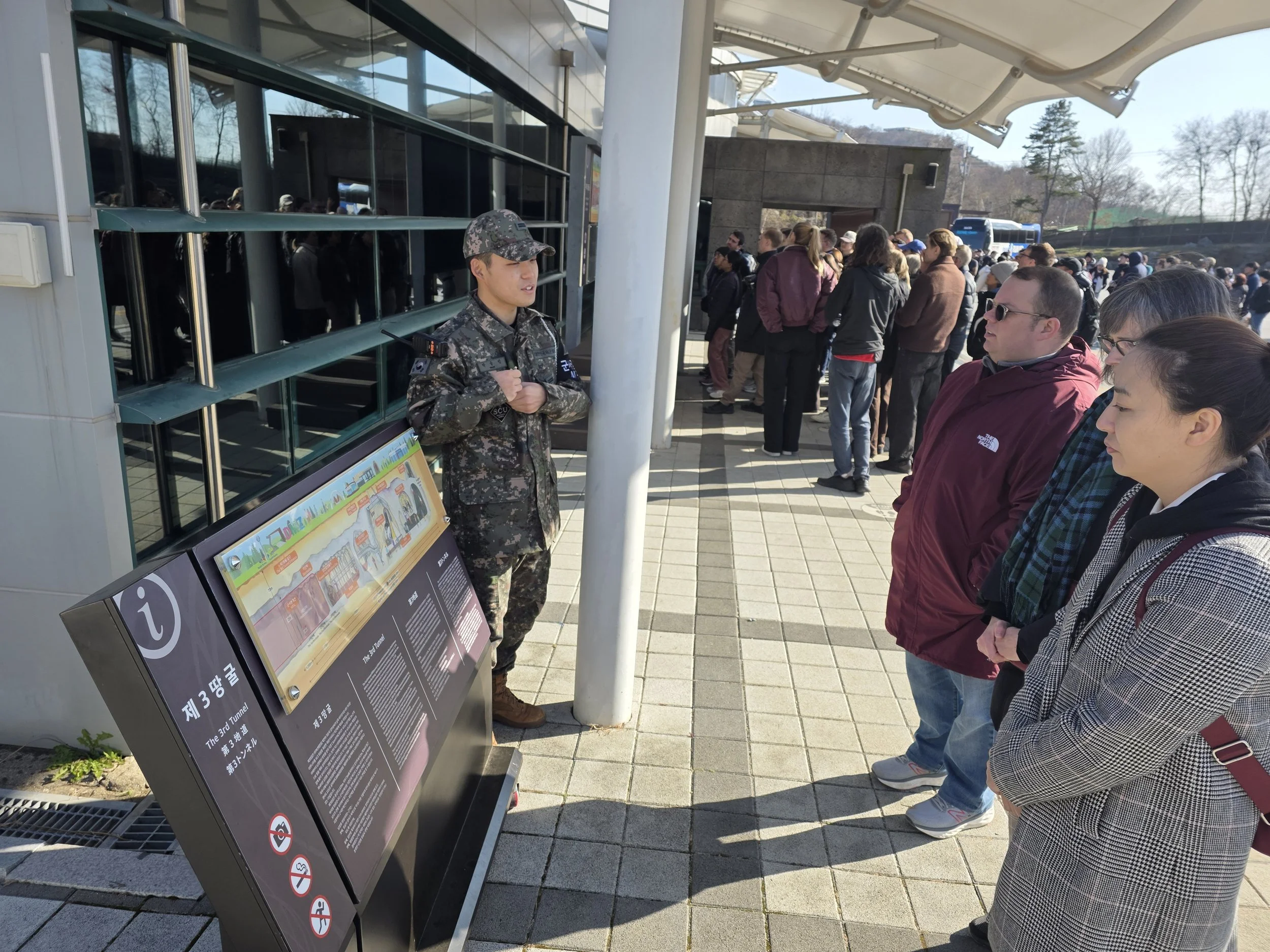
First, we went to the 3rd Tunnel. This is one of four tunnels extended from North Korea into The Republic of Korea discovered by the RoK Army after information provided by a North Korea defector. The tunnel was one mile long when discovered and sits 240 feet below ground. North Korea attempted to deny the accusation that the tunnel was dug to facilitate military action, but the evidence proves otherwise. All four tunnels discovered would have lead the North Korean soldiers to Seoul and the 3rd tunnel is the closest. Pictures are not allowed inside the tunnel itself, but we captured a few in the education building.
Note: visiting the 3rd Tunnel is not for the faint of heart! Signs warned against proceeding if you have asthma, mobility issues, or cardiovascular disease. The incline to the tunnel is quite long and very, very steep. There are benches for resting every so often because the ascent is…something. I think running a 10K is easier!
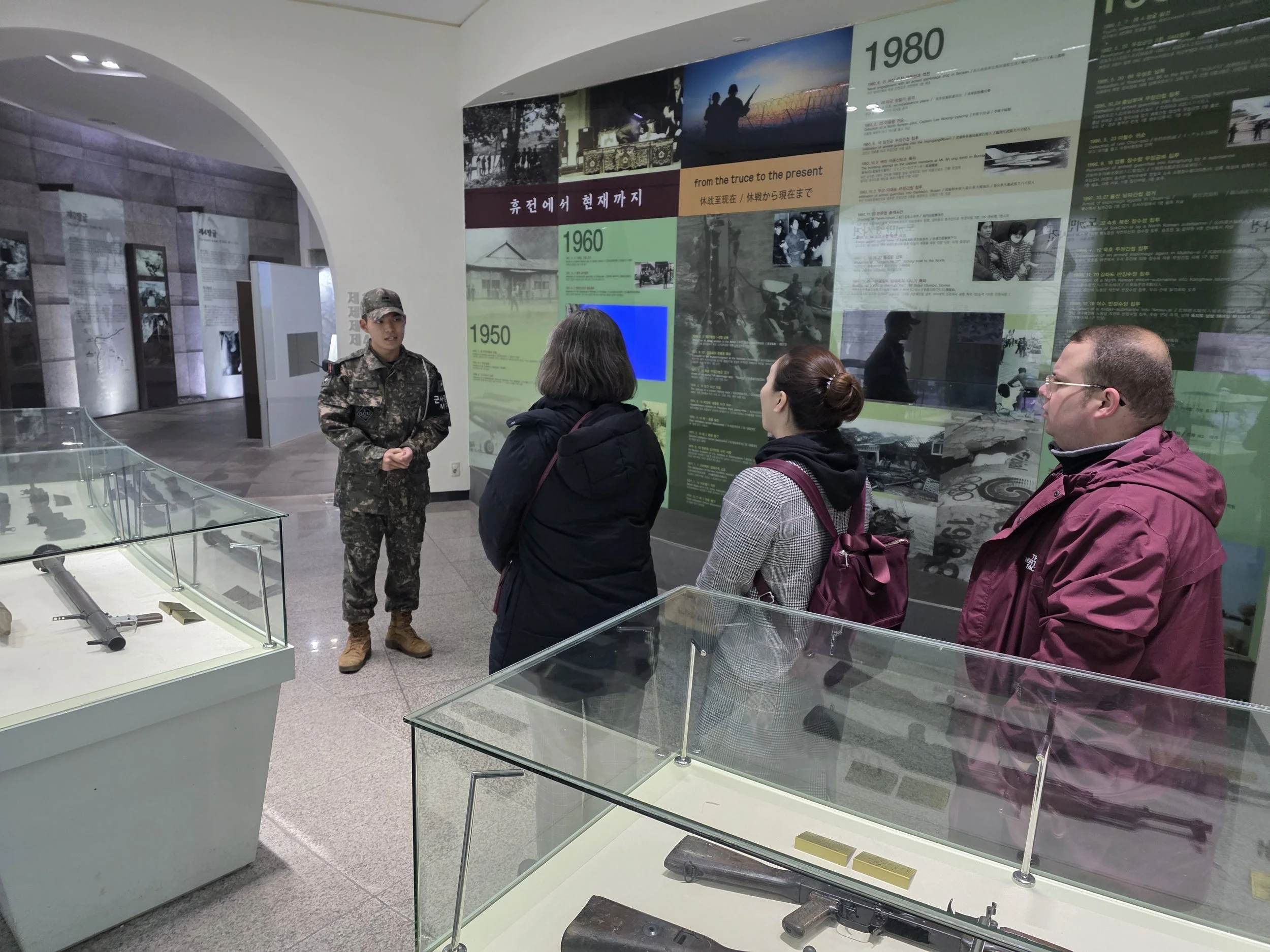
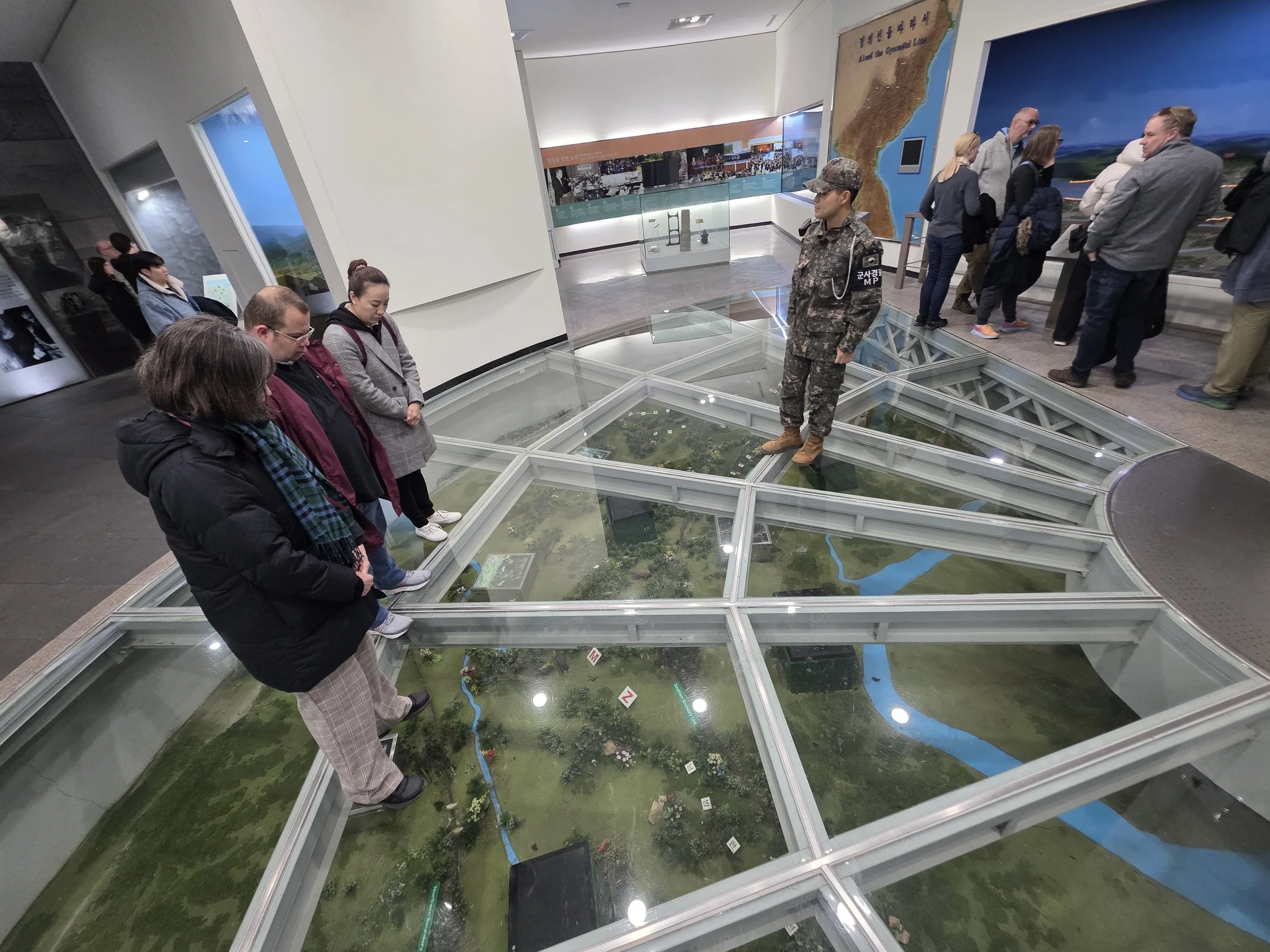
Pictured below (left to right): preparing to enter the 3rd Tunnel education building with our guide; in a room outlining the acts of aggression committed by North Korea since the 1953 Korean Armistice Agreement; overlooking a model of a section of the DMZ that explains the ecology of the area (the DMZ is - unintentionally - a wildlife sanctuary).
Next, we visited the Dora Observatory. The building overlooks the DMZ and offers views of Daeseong-dong and Kijŏng-dong, two villages in the DMZ. Daesong-dong is inhabited by South Korean civilians. Kijong-dong is believed to be a propaganda location for North Korea, with no permanent residents. No photos of the DMZ were allowed from the observatory. The view of the area was something I hope to never forget.
Pictured below (let to right): group picture outside the 3rd Tunnel; group photo outside Dora Observatory; in the observatory with our host, Isaiah.
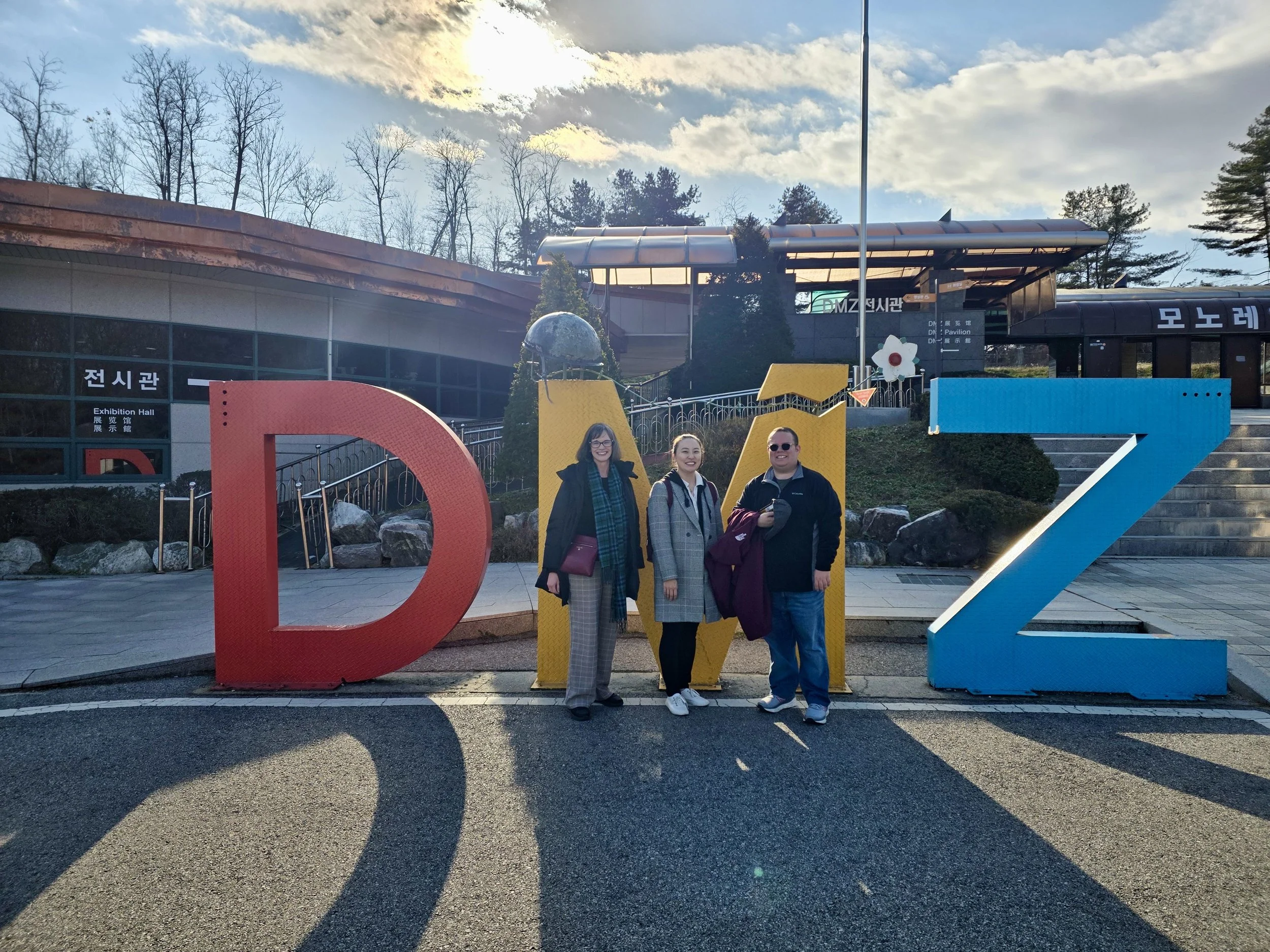
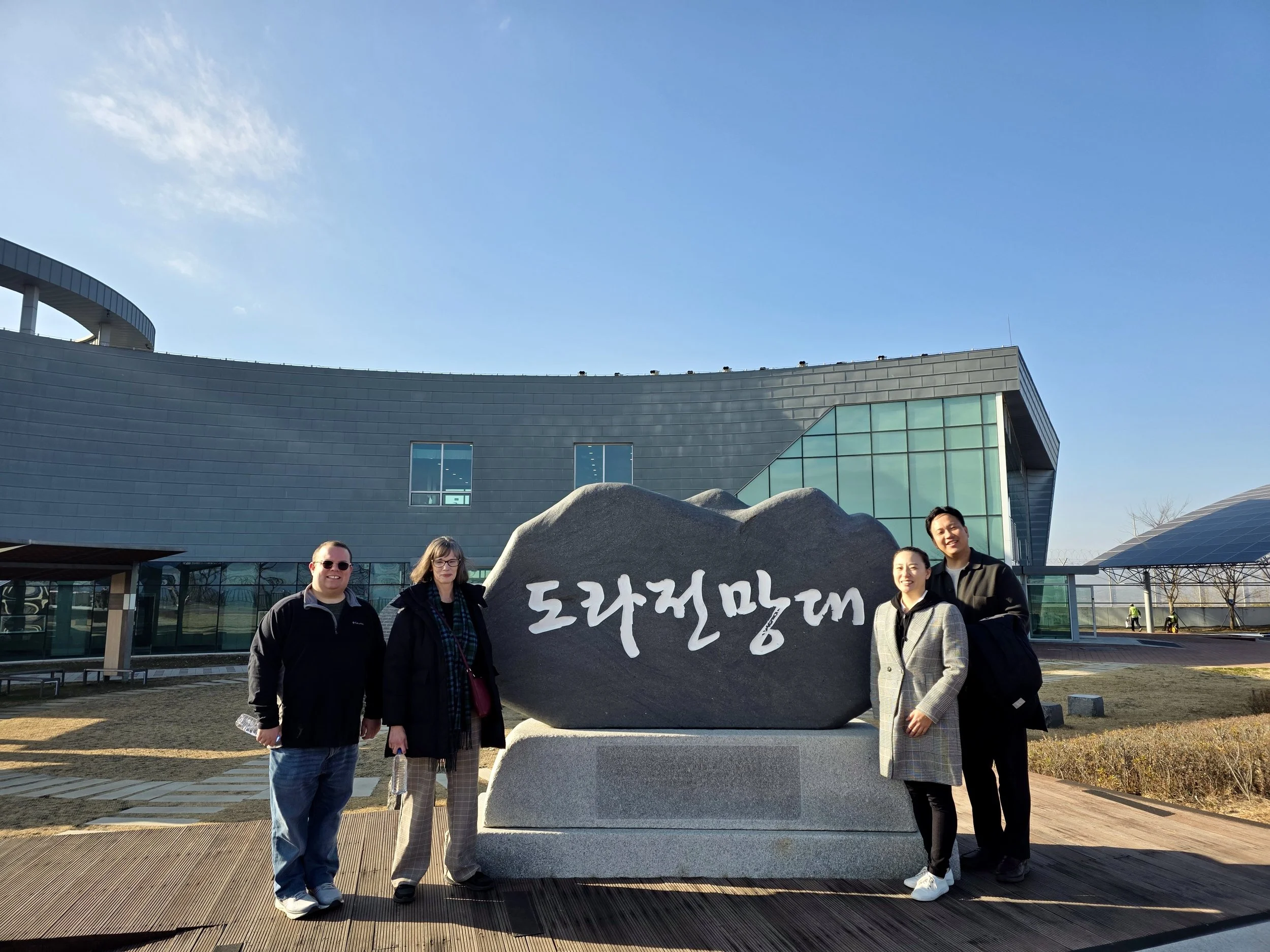
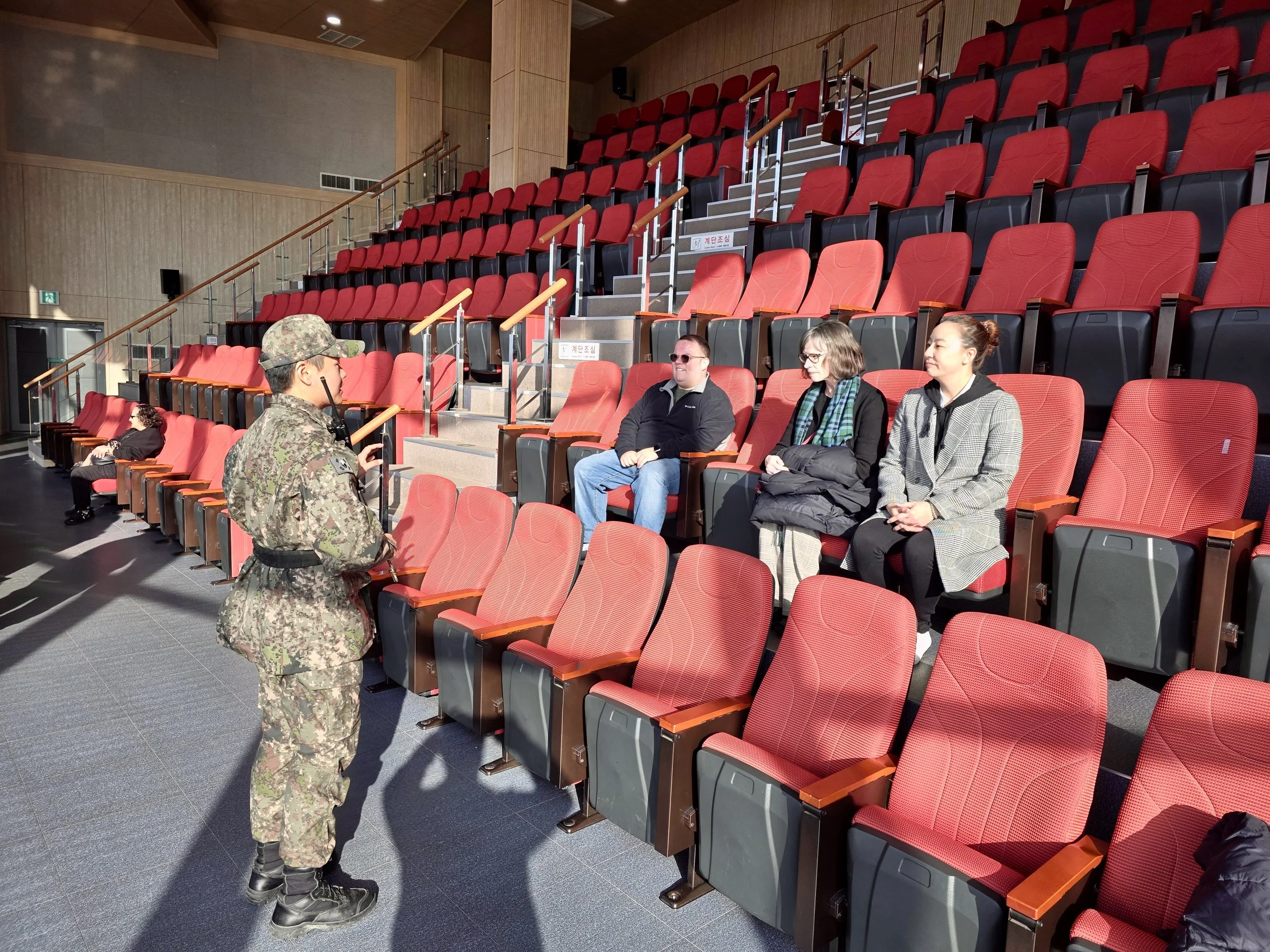
On Thursday, November 20, we met with a delegation from the Ohio Episcopal Area who traveled to Korea for the groundbreaking ceremony of the Scranton Memorial Church for an overnight trip to Sokcho - a city on the eastern coast of Korea. Our first stop was Seoraksan National Park, about two and a half hours from Seoul.
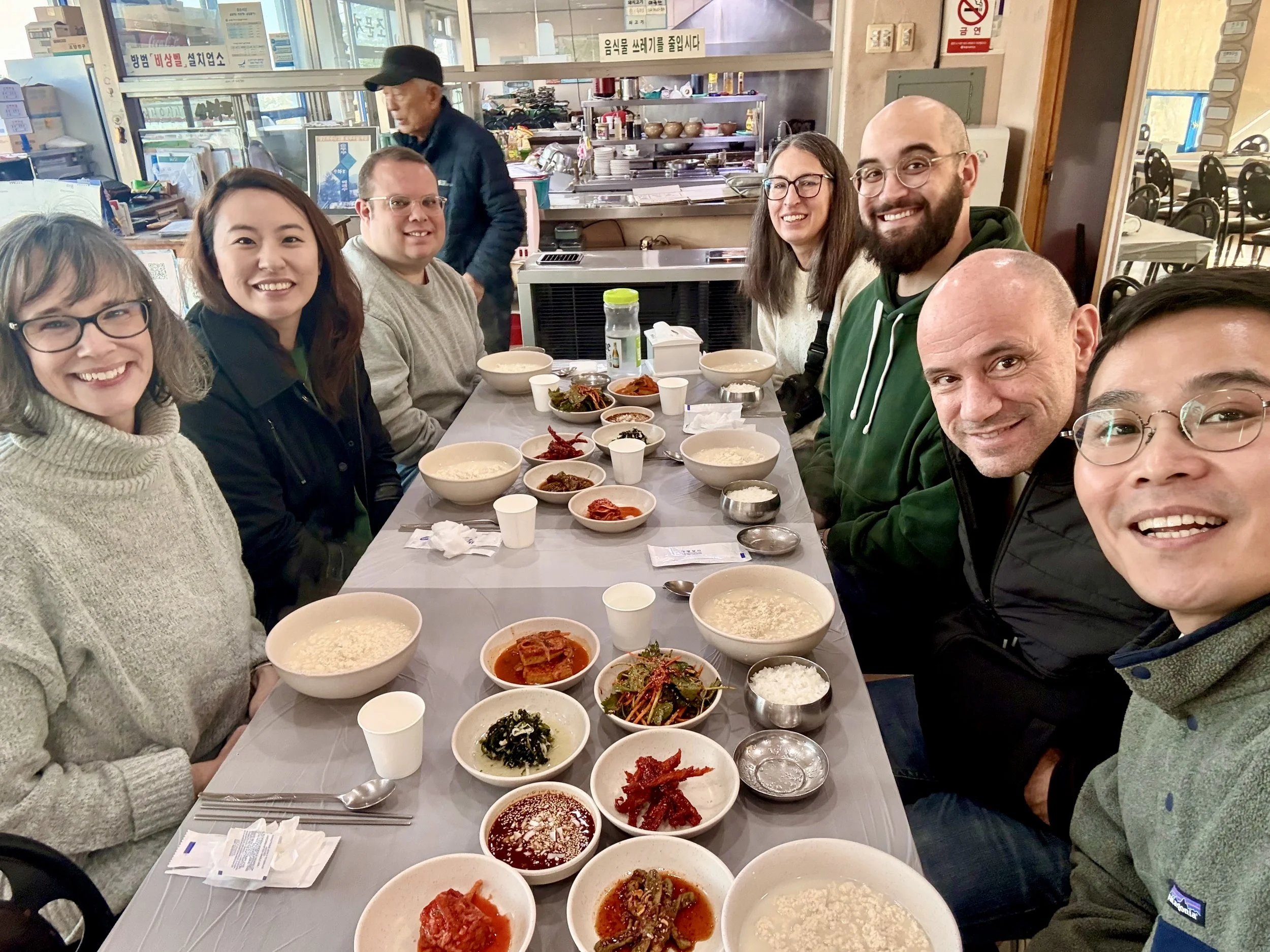
Pictured below (left to right): the view from a roadside park; lunch at a small restaurant in Nohakdong; group photo in front of Seoraksan.
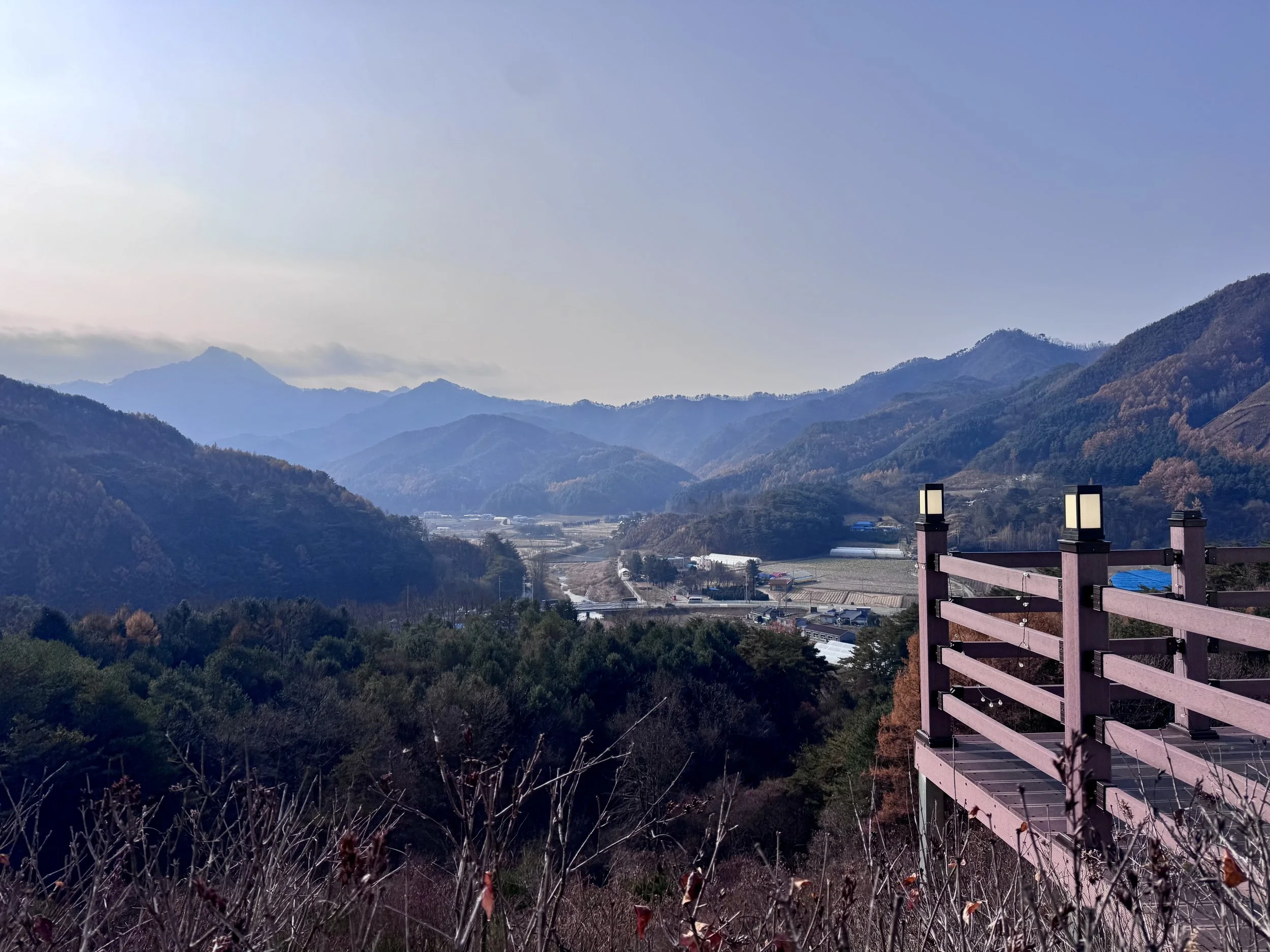
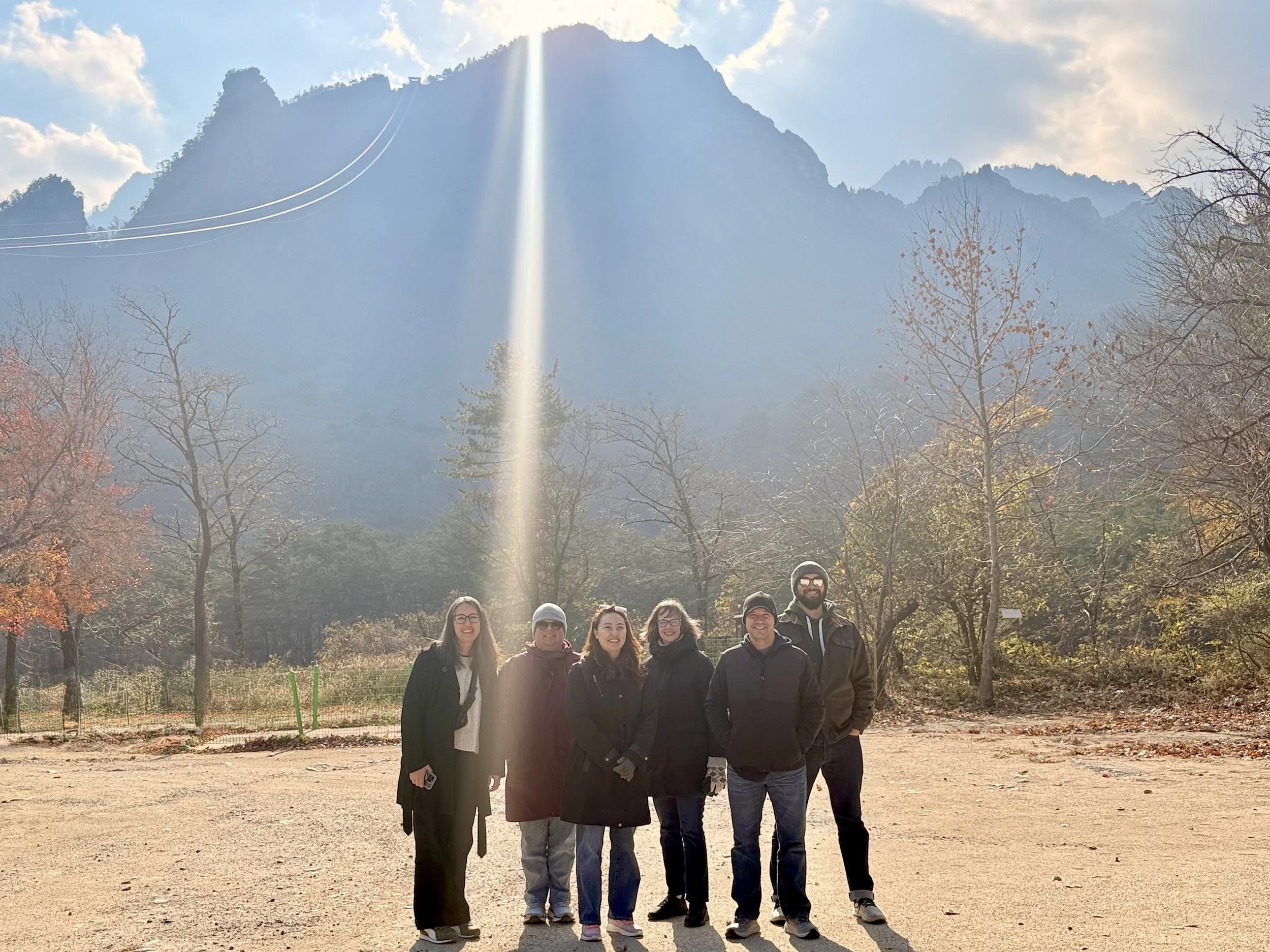
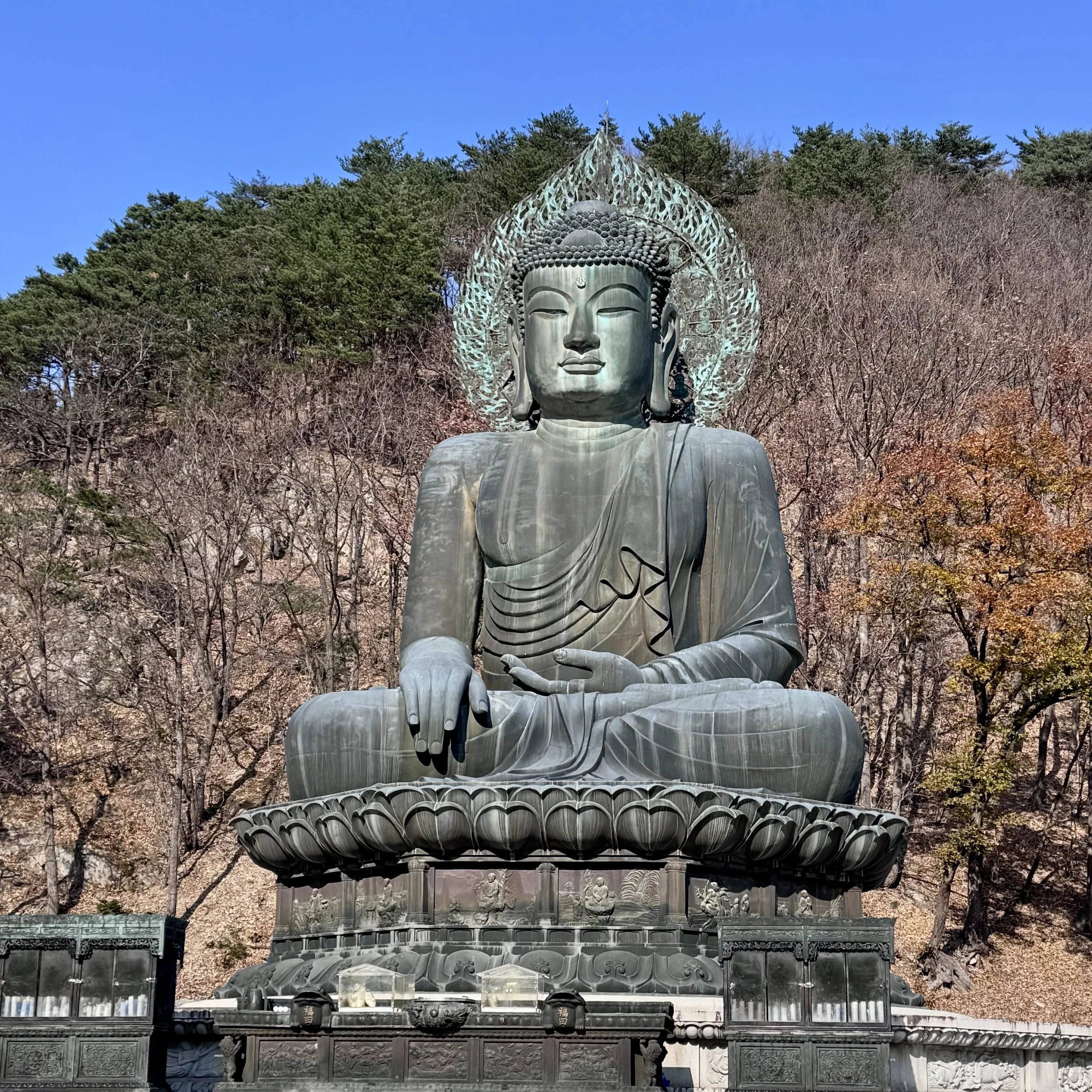
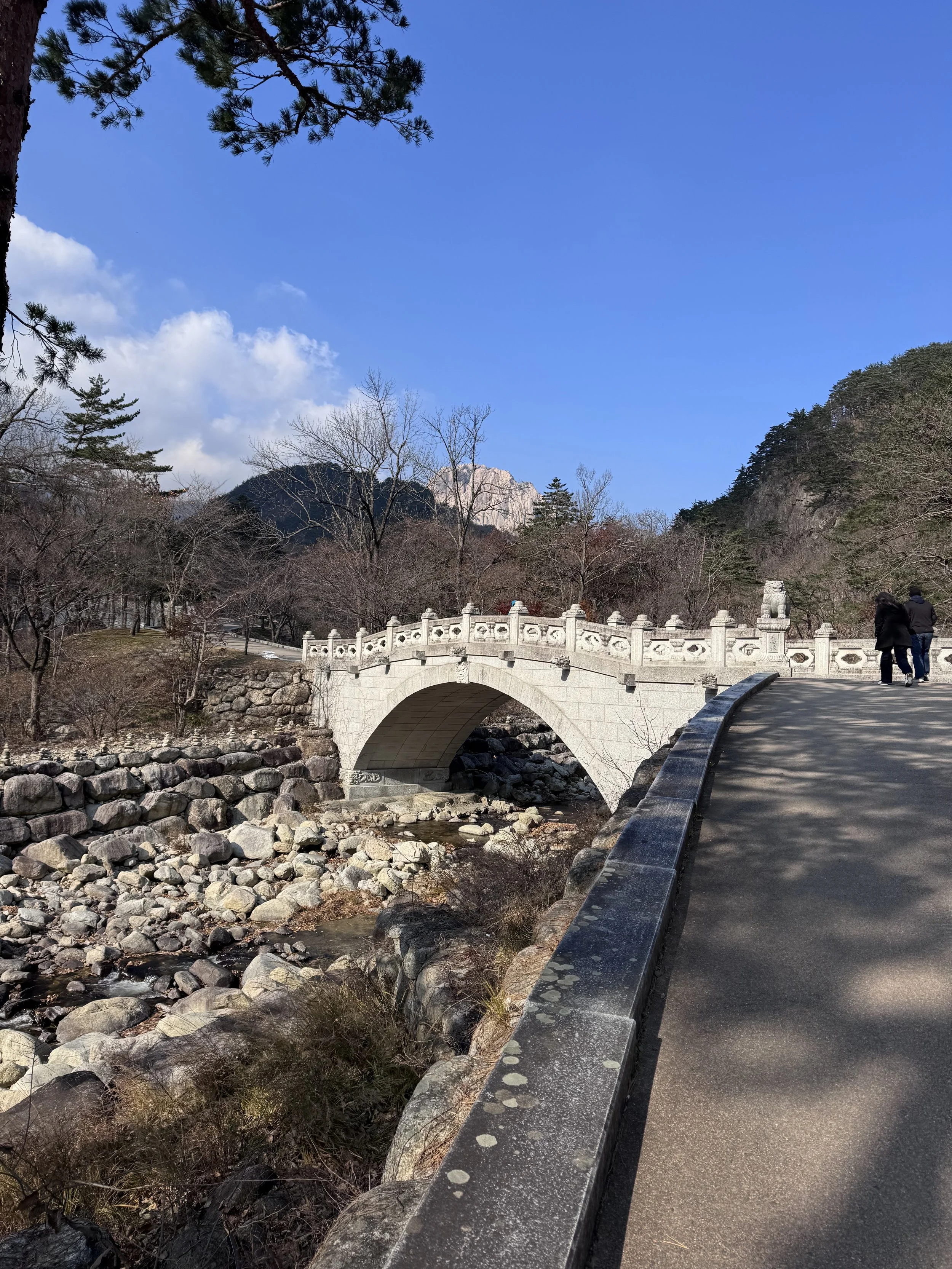
Seoraksan National Park is home to a Buddhist Temple. Views around the park are breathtaking.
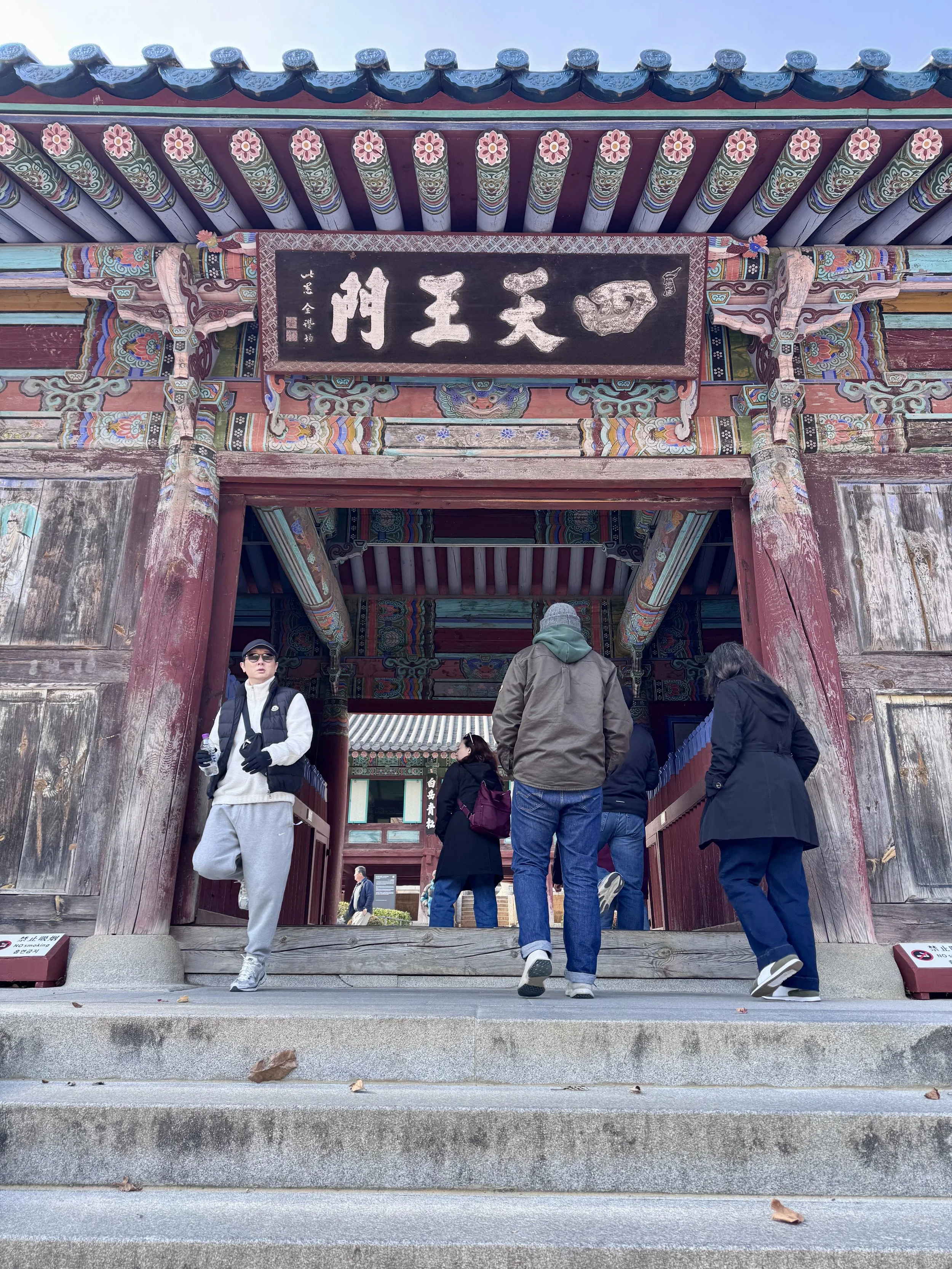
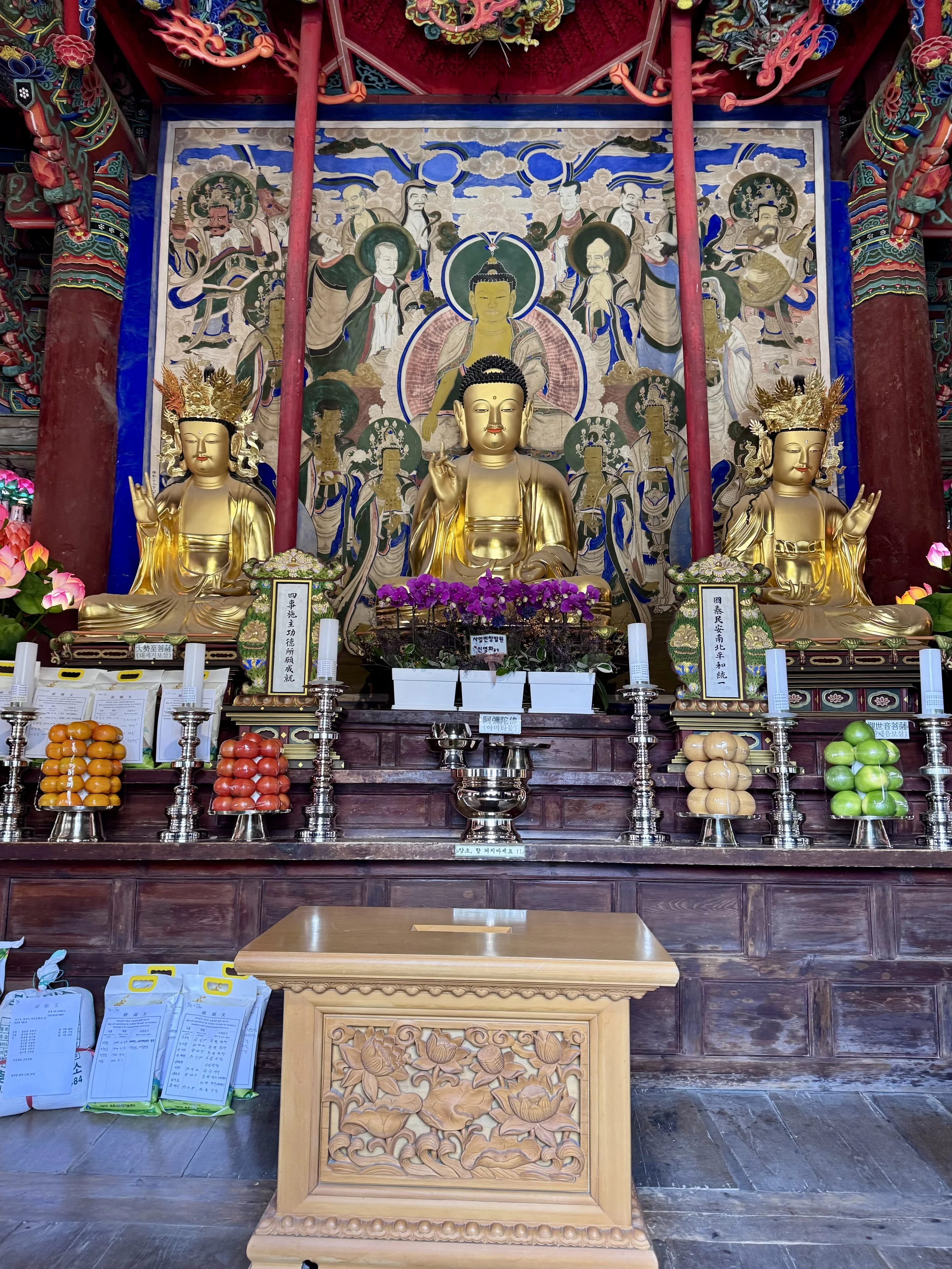
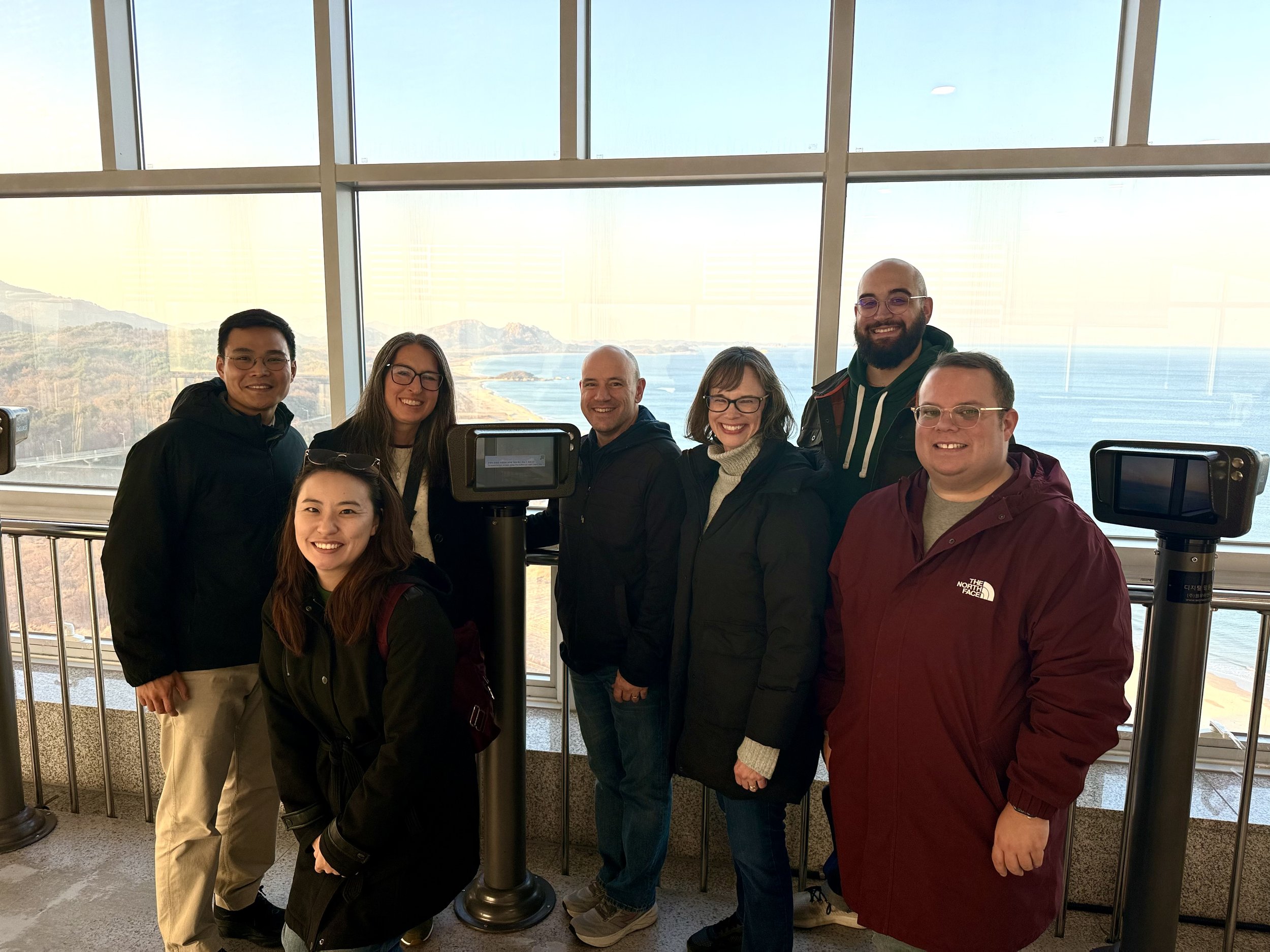
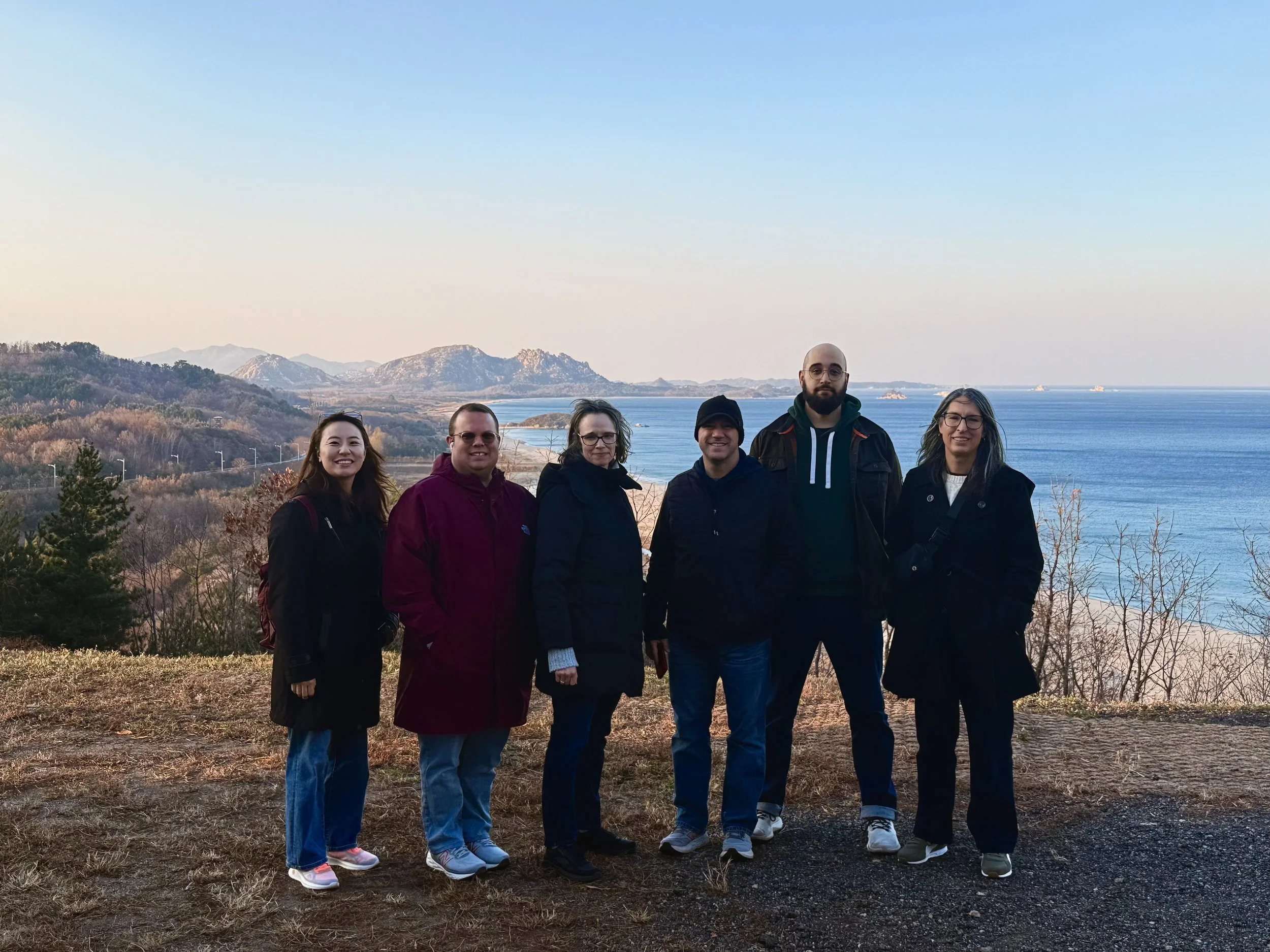
After our visit to the mountains, we traveled to the Goseong Unification Observatory. The observatory overlooks the coast and the northern boarder of Korea. No tour bookings are necessary at this location. The observatory is quite futuristic looking. After our time in the tower, we found a quiet spot to pray together for peace between North and South Korea.


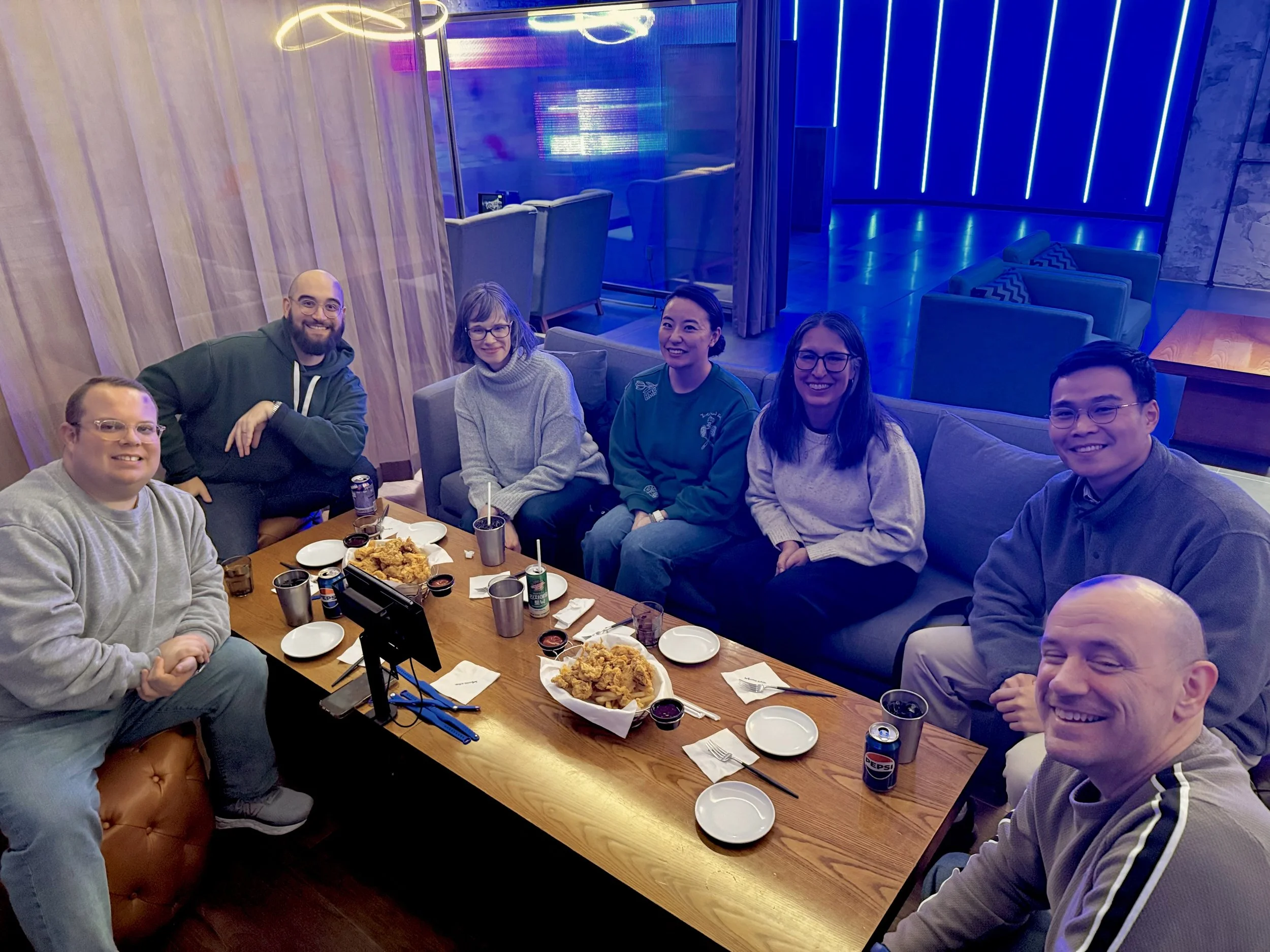
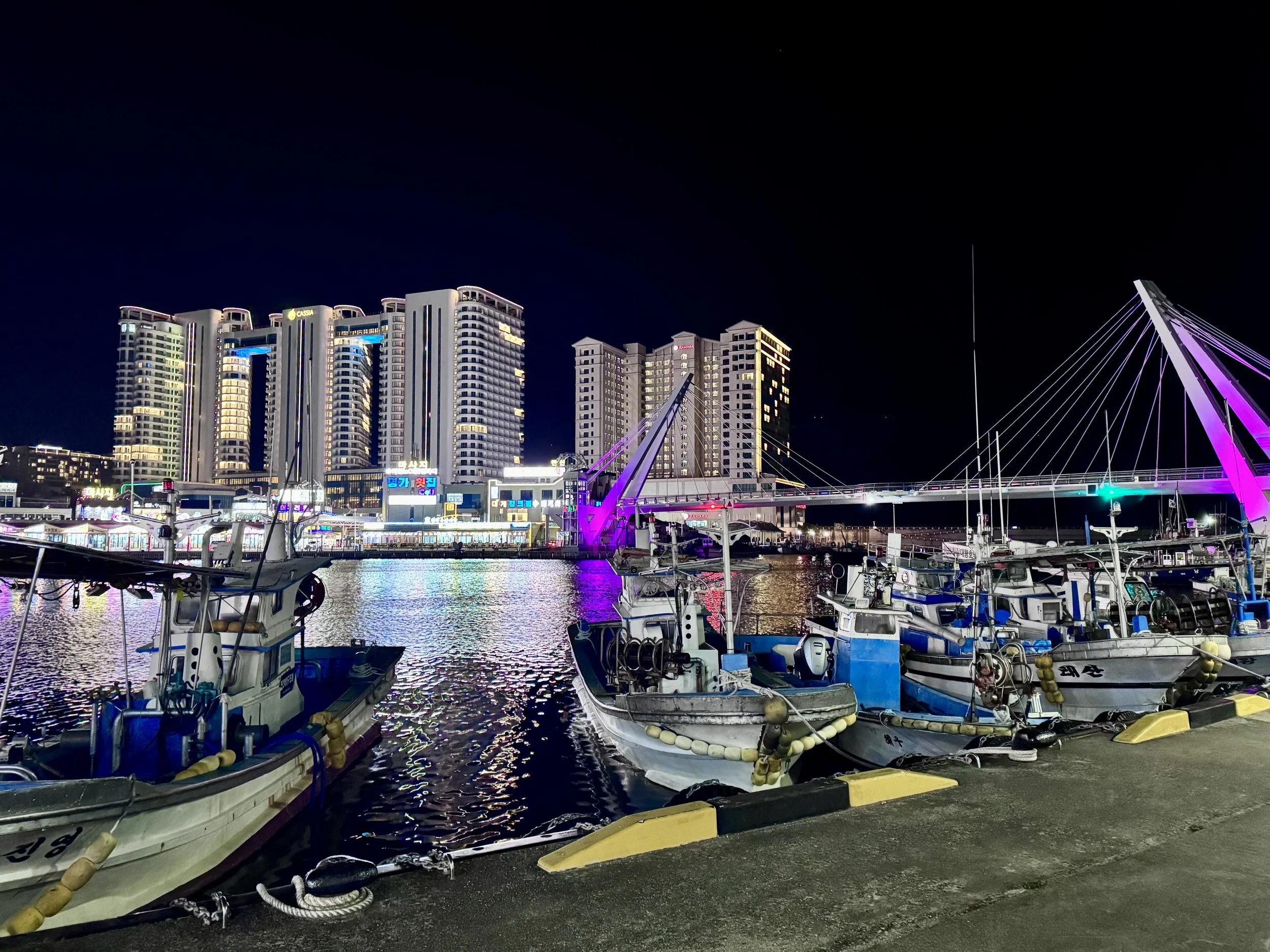
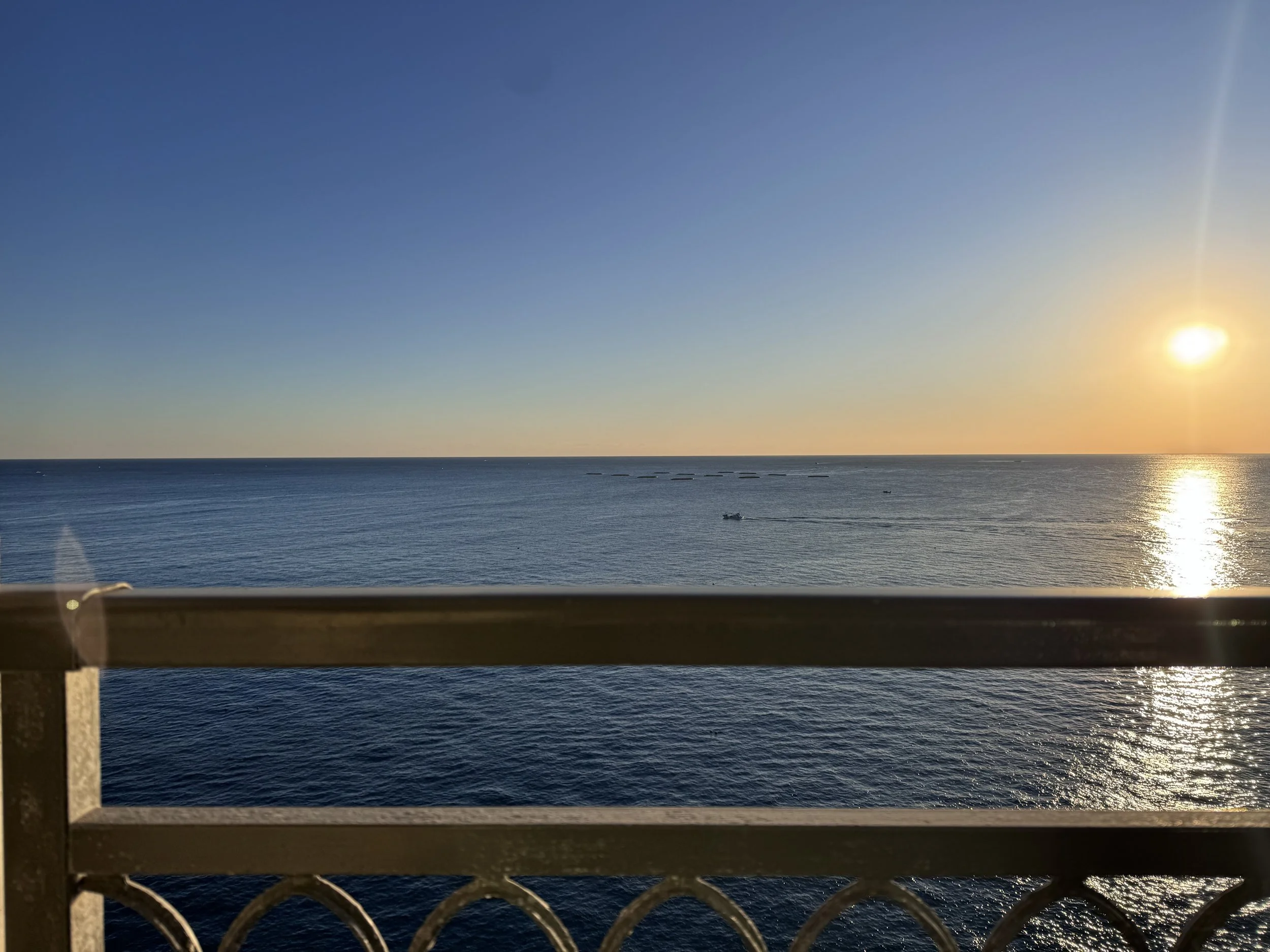
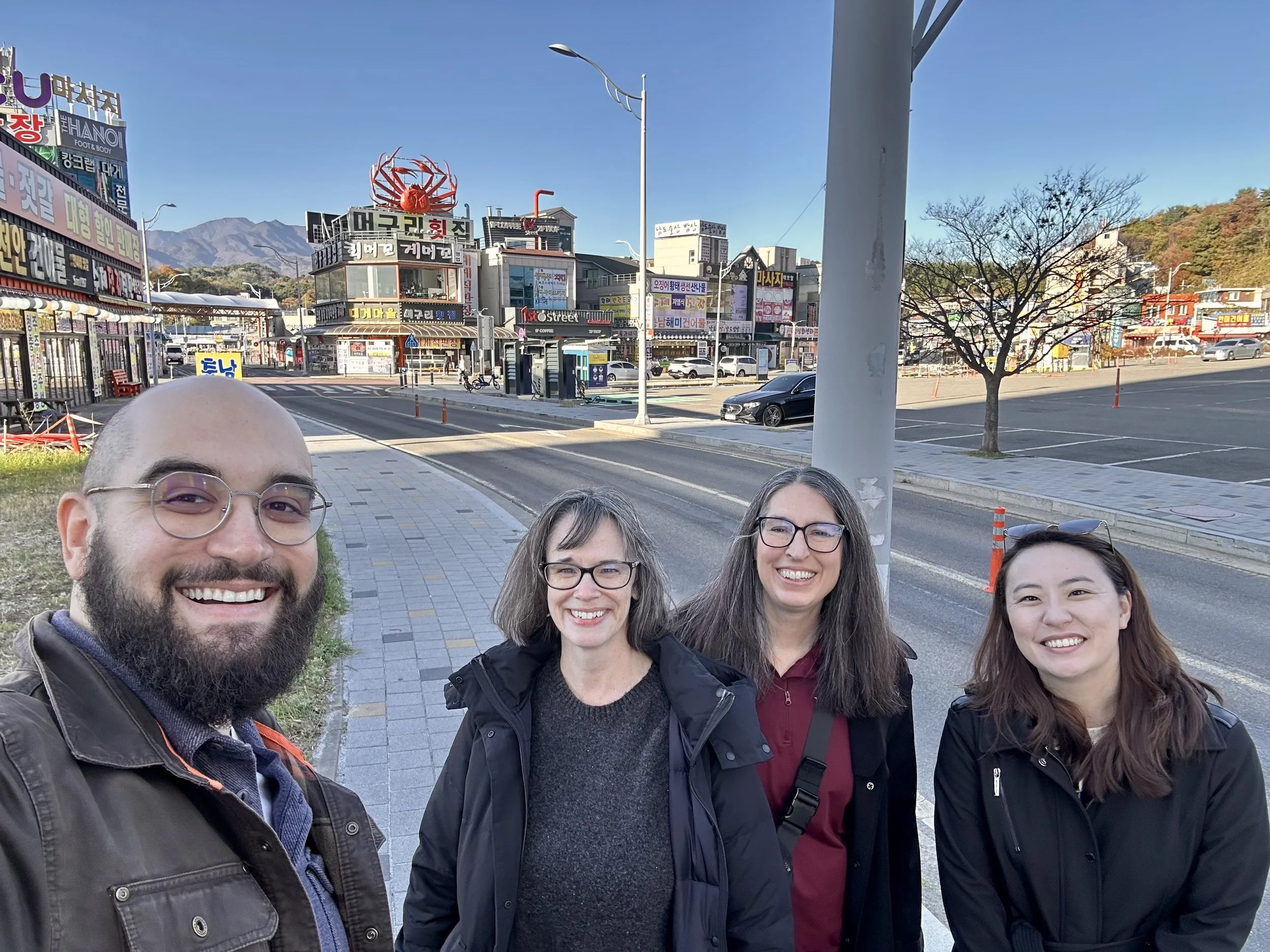
We had dinner and checked into our hotel in Sokcho next. I took a brief walk near our hotel before calling it a night. I woke to a gorgeous view of the East Sea on Friday morning. After breakfast and a walk along the pier, it was time to return to Seoul.
I am thankful for the opportunity to leave the city twice this week. I didn’t realize how accustomed I had become to the noise and light until getting out into nature. I was also grateful to learn more about the history of Korea and pray for the peace of the nations.
The next update I give will be from Atlanta! I depart Incheon on Sunday, November 30 at 6 PM and arrive in Atlanta on Sunday, November 30 at 5:35 PM after a 13.5 hour flight. I return to Columbus the next morning (December 1) and will be home by the afternoon.